



& Data Recovery

& Digital Forensics

& Data Recovery

& Digital Justice
Recover deleted data…
License A16118
As a Texas criminal defense attorney, you know that CSAM and child exploitation cases are among the most serious and technically complex matters you will ever handle. The State comes in with its own labs, unlimited resources, and often overwhelming digital evidence. Your client’s freedom, reputation, and future depend on having a strong, independent forensic partner who fights on your side.
At Exhibit A Computer Forensics, we work exclusively for the defense. We level the playing field by delivering aggressive, accurate, court-ready digital analysis that uncovers exculpatory evidence, exposes flaws in the State’s case, and gives you the powerful tools you need for suppression motions, plea negotiations, and trial.
Don't let the State control the narrative. Partner with Exhibit A CFI and give your client the strongest possible defense.
CSAM cases are complex and involve teams of law enforcement, digital forensics experts, and legal professionals. At Exhibit A Computer Forensics, we partner with defense teams to ensure a trusted, accurate, and digital evidence review. Our expert analysis is accurate and digital evidence is handled with integrity, precision, and experience Exhibit A CFI delivers.

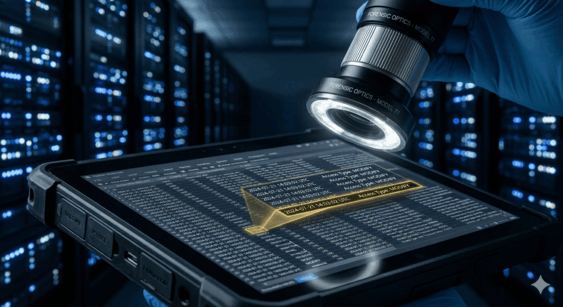
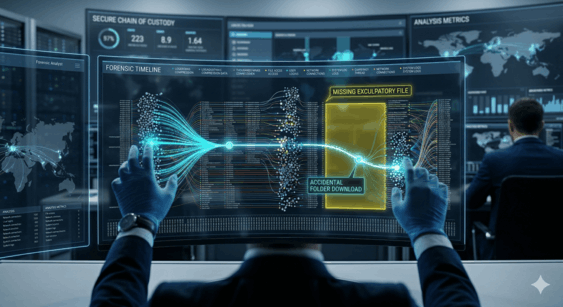
In a documented case, an individual was charged with possession of child pornography after investigators identified several CSAM files on a shared family computer via a peer-to-peer file-sharing program. Forensic examination revealed that the files had been downloaded as part of a larger bundle of unrelated media (e.g., movies or music), appeared in temporary cache or unallocated space, and showed no evidence of being opened, viewed, or moved to user-controlled folders. Metadata and access logs confirmed the files were never accessed after download, timestamps aligned with automated background sharing rather than deliberate user action, and there was no search history or browser artifacts indicating intent to seek out prohibited content. This exculpatory digital evidence demonstrated inadvertent acquisition without knowing possession or intent. Prosecutors, facing challenges to prove the required elements beyond a reasonable doubt, dismissed the possession charges entirely, resolving the matter without conviction or registration requirements.
In another real-world example, charges of possession of child pornography arose after multiple images were recovered from a household computer used by several family members. Digital forensic analysis showed the device lacked user-specific passwords or separate profiles, with no unique attribution evidence (such as login timestamps, personal browser history, or file access logs) linking the contraband directly to the accused. Timestamps and system artifacts indicated possible access by others in the home, and there were no signs of intentional downloading, viewing, or organization of the files by the defendant. Without sufficient proof of knowing dominion and control over the material, the evidence failed to establish possession beyond a reasonable doubt. The charges were ultimately dismissed, highlighting how thorough forensic review of multi-user environments can reveal gaps in attribution and intent.
Knowing possession requires proof that the defendant was aware of the CSAM material on the device and exercised dominion and control over it (e.g., could access, view, delete, or move it). Mere presence of files does not equal knowing possession especially on shared devices, in cache/temporary folders, or via accidental/bundled downloads. Forensic analysis of metadata, access logs, timestamps, browser history, and user artifacts helps determine if intent or knowledge can be proven beyond a reasonable doubt. We routinely identify exculpatory evidence showing lack of awareness or control.
Yes, often decisively. Many CSAM files appear via peer-to-peer sharing where unrelated legal content (e.g., movies) bundles prohibited material under generic names. We examine download histories, cache locations, file opening/viewing records, deletion timelines, and ratios of legal vs. illegal content to demonstrate inadvertent acquisition. If files were never opened, viewed, sorted, or saved intentionally, and timestamps show immediate deletion or no user interaction, this can negate the “knowing” element and lead to charges being reduced or dropped.
Shared family computers, household devices without separate user profiles, or unsecured networks create significant attribution challenges for prosecutors. Forensic review often reveals no unique user logs, mixed access timestamps, or artifacts linking files specifically to your client. Without clear evidence of dominion/control by one person, possession cannot be proven beyond a reasonable doubt. This is one of the most common paths to dismissal or favorable resolutions in our experience.
A CSAM (Child Sexual Abuse Material) investigation involves forensic analysis of alleged possession, receipt, or transmission of prohibited material. It focuses on legal standards (e.g., knowing possession), technical accuracy (metadata, logs, timestamps), and procedural fairness (warrants, chain of custody). Defense-oriented reviews challenge prosecution interpretations, uncover alternative explanations, and locate exculpatory evidence to support fair outcomes.
Yes, thoroughly. NCMEC CyberTips (often from platforms like Google or social media) trigger many investigations, but they can contain errors: incomplete IP/subscriber data, misattributions, viral/duplicate hashes, or unverified content. We review full tip details, cross-reference with device evidence, evaluate report accuracy, and identify gaps or overreach that may weaken probable cause for warrants or support suppression motions.
Absolutely, this is a core defense area. Common issues include stale information in affidavits, lack of probable cause, overbroad warrants exceeding scope, improper execution, or chain-of-custody breaks. Forensic experts verify imaging hashes, acquisition methods, and whether evidence handling followed protocols. Flaws here can lead to suppression of evidence under the Fourth Amendment, often resulting in case dismissal or major reductions.
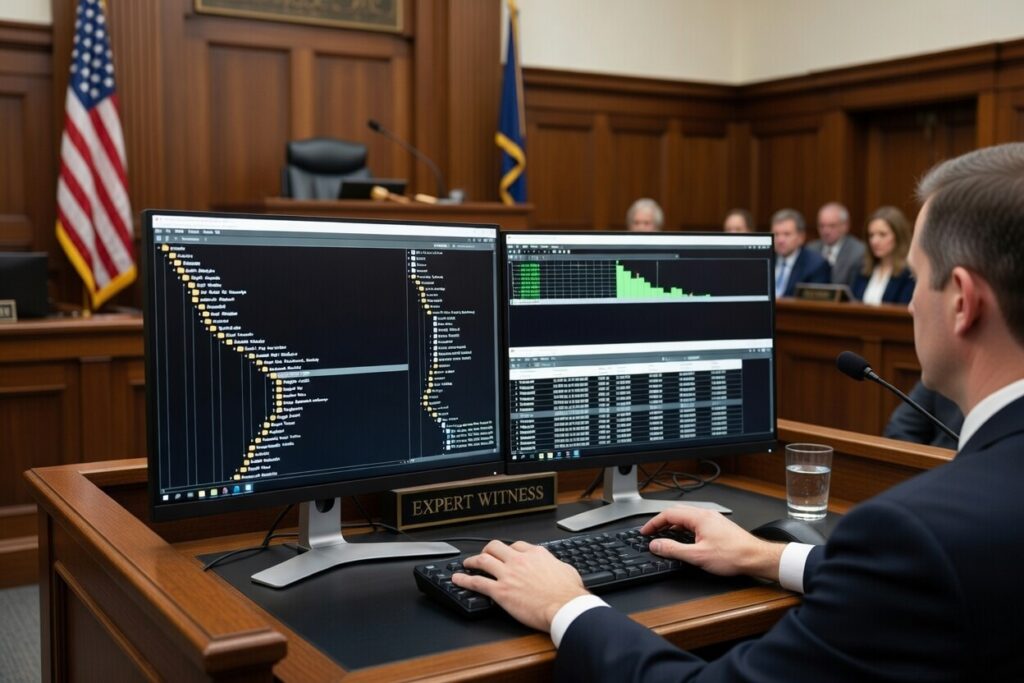
Experienced CSAM forensic investigators serve as expert witnesses to explain complex digital evidence in plain terms for judges/juries. We rebut prosecution experts, highlight errors/misinterpretations, present independent findings (e.g., lack of intent, accidental presence), and provide court-admissible reports/testimony supporting suppression motions, trial defenses, or plea negotiations. Our testimony often creates reasonable doubt on key elements like knowledge and control.
Timelines vary based on device volume, data size, complexity, and whether we’re reviewing government reports or conducting independent exams. Initial consultations and preliminary assessments can occur quickly (days to weeks), while full forensic imaging, analysis, and report preparation may take weeks to months, especially with backlogs or large datasets. We prioritize urgent defense needs and work efficiently to support pre-trial motions or negotiations.
Yes. We analyze system logs, browser artifacts, file access timestamps, prefetch data, recently opened files lists, thumbnail caches, and user interaction metadata to determine if (and when) files were viewed or handled. No access artifacts, combined with other evidence like immediate deletions or bundled downloads, strongly supports lack of intentional engagement or knowledge.
Yes. We regularly collaborate with public defenders and court-appointed counsel in Texas cases, including Ake v. Oklahoma-funded expert services where indigent defendants require forensic expertise for a fair defense. Contact us to discuss funding options and how we can support your appointed case.
Absolutely, our findings directly support suppression motions, trial defenses, plea negotiations, and exonerations. By uncovering exculpatory evidence, exposing procedural errors, and demonstrating lack of knowing possession/intent, we help ensure due process and fair outcomes, often leading to reduced charges, dismissals, or avoidance of severe penalties like registration.
Call us for a free, confidential 30-minute initial assessment. Provide case basics (e.g., charges, discovery status, devices involved), and we’ll outline how our forensic review can help your defense strategy. No obligation, just expert guidance to protect your client’s rights.
